Local taxation in Cameroon
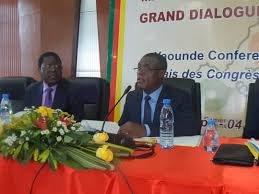
Local taxation is the set of legal mechanisms governing the collection of local taxes for the benefit in whole or in part of local communities. It is made up of income from own resources resulting from income-generating activities, income from services, equity investments, creation of establishments or companies, etc. Local taxation in Cameroon presents various anomalies in its functioning and its mode of administration across several levels. First at the level of the collection of taxes and local taxes made by the government entity, then the joint management of local taxation with the government entity which can cause difficulties in communication and exchange of information, finally the municipalities essentially play the role of tax collectors and can only set, within the framework of laws and regulations, the method of assessment, the tariffs and the rules for the collection of various taxes, fees and duties that they collect. In addition, local taxation swims between two waters and this only compounds the complexity of the system. All these dysfunctions, from tax creation to collection passing through the undervaluation of the tax base, only make local taxation less competitive and reduce its importance in the total revenues of municipalities.
